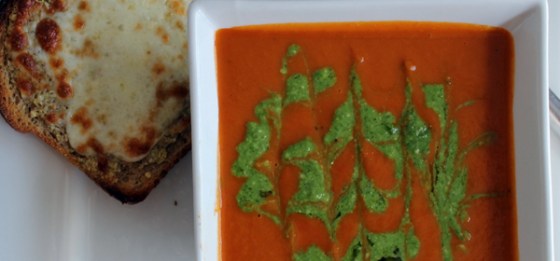
Radish Greens Pesto

Pesto is one of those wildly classical culinary gifts from the Mediterranean known the world over. At its Platonic base, pesto is composed of the freshest Legurian basil leaf, the most aromatic garlic, the purist virgin olive oil, the perfectly toasted pine nut, course sea salt, and the finest Parmigiano-Reggiano and pecorino sardo. It makes our mouths water just thinking about all that flavor. Each ingredient a flavor bomb on its own.

Like all classic sauces, pesto is an idea – open to endless possibility. A different choice in green, nut, cheese and even oil can dress up a piece of fish or roasted veggies, or maybe enrich a hot bowl of soup. The variability of pestos offers another vehicle for keeping those greens cycling through your refrigerator and into our food, rather than into the waste bin. In this version, we’ve taken the fresh, beautiful leaves from a bunch of radishes in place of basil. The resulting sauce was fresh and peppery, perfect tossed with whole wheat pasta or used in place of tomato sauce on homemade pizza.

Back in the day, cooks banged out a batch of pesto in a mortar. Today, our blenders make very quick work of building the sauce. Better yet, to save on cleanup and storage, we blend the pesto in a mason jar. The standard blender base fits a wide-mouthed mason jar. Once blended, you can use what you need and then store the unused portion in the jar. Whatever your flavors of choice, you can have a fresh bright sauce on the table in the time it takes to clean and prep the fresh ingredients.

This slideshow requires JavaScript.

Radish Greens Pesto

2 bunches radish greens, cleaned
1/2 cup extra virgin olive oil
1/4 cup toasted pine nuts
2 oz grated parmigiana
2-3 large cloves garlic
Zest of one lemon
Sea salt and cracked black pepper to taste

Add everything but the salt and pepper to a pint-sized mason jar, screw on the blade base of your blender and pulse to chop. Blend until incorporated, but not completely smooth. You want to see flecks of green and breaks in the oil emulsion. Taste and adjust salt and pepper as needed.

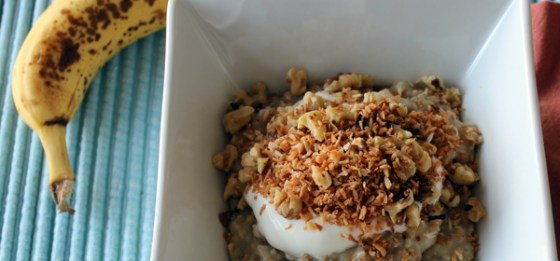
Tropical Oatmeal

We eat a lot to steel cut oats. Though primarily thought of as breakfast food, they end up in a lot of other dishes in our repertoire. They’re nutritious and delicious when prepared well. Far tastier than their pre-cooked, rolled counterparts. While we really never tire of the straightforward flavors of the oats, our breakfast bowls have morphed over the years into something entirely different from the bowls of mush we grew up on. The oats’ neutral, nutty flavor opens them up to endless flavor pairings and we’re having fun experimenting with them.

Bananas are another pantry staple. And they regularly get to an overripe stage that renders them total mush, destined to the freezer to become sweetener for future smoothies. But the good ones often find their way into a bowl of breakfast oats along with toasted walnuts or almonds. Their natural sugars and creamy texture are ideally suited to a bowl of porridge.

We recently used overripe banana to sweeten a batch of oatmeal. Added to the pot at the beginning of the cooking process, the bananas break down into a sweet sauce that scents the oats with a subtle tropical fruitiness. No added sugar necessary. We garnished the bowl with toasted pecans, a big dollop of Greek yogurt and a sprinkle of toasted coconut. The result was amazing!

This slideshow requires JavaScript.

Tropical Oatmeal
serves 2 

1 tablespoon butter
1/2 cup steel cut oatmeal
1 bay leaf
1 small cinnamon stick (or 1/4 teaspoon ground cinnamon)
pinch of salt
2 cups hot water
1 ripe banana
1/4 cup greek yogurt
1/4 chopped fresh pineapple
2 tablespoon chopped walnuts
1 tablespoon desiccated coconut

Place a pan over medium heat and add the butter. Once the butter has melted, add the steel cut oats and gently toast for 2-3 minutes, stirring constantly. Add bay leaf, cinnamon and salt. Add the hot water carefully (the water will sputter). Stir until everything is mixed. At this point you can turn off the heat and allow to sit over night.

The next  morning, return the pan to heat and cook adding the banana and a little water, if necessary. Cook for about 5 minutes or until creamy.

In a small sauté pan, over medium low heat, gently toast the walnuts for 2-3 minutes before adding the desiccated coconut. Toast for an additional 30 seconds to 1 minute. Do not look away from the pan because the coconut toasts very fast and will burn if left on the heat for more than a minute or two.

Serve the oatmeal in a warmed bowl and top with greek yogurt, pineapple, and toasted walnuts and coconut (or any other fruity, nutty combination). Enjoy!