Avocado For Breakfast?

Bacon Avocados (yes, that's the real name of these beauties)

As a kid, avocado was a color; an ugly throwback to a time I couldn’t connect with and the sad dark color of the deep pile shag carpeting in my teenage home. Avocado wasn’t a food my parents ever contemplated and because Idaho isn’t the sort of place you’d expect to find an avocado tree (except, of course, on the kitchen window seal of the seed sprouting hobbyist), they were never on my mind.

When I finally discovered the creamy, nutty flavors of avocado, they were adulterated with mayo in what can only be described as a redneck, white-trash take on a Mexican classic. I fell in love instantly! The silken, herbaceous and delicate earthy flavors of avocado were to me at the time the sort of thing to be indulged with crunchy corn chips or as a cool base for crab or shrimp Louis salad. It was a lunch or dinner thing, in a nice café or in front of the boob tube or on a picnic.

Why not avocado in the morning? It is a big berry after all, and it pairs equally well with eggs and toast or any of the delightful winter citrus now in the market. The silky ripe avocado isn’t just for guacamole anymore. We’ve started eating the sexy, silky fruit with soft-boiled eggs, sprinkled with freshly ground black pepper and crunchy gray sea salt. With a drizzle of extra-virgin olive oil and a slice of warm crunchy toast, the avo-ovo breakfast has become a favorite at our breakfast table.

Who needs cereal?

The perfect avocado will be soft but not mushy. Choosing a nice ripe avocado takes some practice. Regardless of the variety, the avocado’s skin shouldn’t be dented and beaten up looking. Avocados bruise as any other fruit and once the flesh has been knocked around, it will turn brown. A ripe avocado will still be somewhat firm to the touch but it’ll give a little under the careful pressure of a thumb. The avocados pictured at the top of the post are “bacon” avocados. According to the California Avocado Commission, there are approximately 500 varieties of avocado. California produces 7 varieties for commercial sale.

The perfect soft-boiled egg will be creamy and soft in the middle without falling apart into an under-cooked mess. The technique for cooking soft-boiled eggs is learnable and worth the care. The word “boiled” is a bit misleading because you never want to cook eggs at a rapid boil. Eggs need to sit in water that is just at the simmer point for the desired length of time. We heat water in a saucepan and gently lower the eggs into the hot water to better control for time. If you place the eggs into the pan while the water is still cold, you’ll have a much harder time gauging just how cooked they are. To prevent cold eggs from cracking as they hit the hot water, use a thumbtack or pin to puncture the “flat” end of the egg. This allows air to escape while the egg quickly expands inside the shell, relieving pressure and ensuring you don’t end up with egg-drop soup. For soft, creamy centers, large eggs should simmer for 7 minutes. Smaller eggs will require less time. I’d say probably 5-6 minutes. Every minute matters so experiment until you figure it out on your own stove.

To the naysayers who worry about the fat content of avocado, I say phooey. The fat in avocado is among the best kind for your health and it quells hunger leaving you feeling satisfied and well fed. Better to put down the bag of chips and eat all the avocado you want. Both your heart and your waistline will benefit.

Cheers, Steve

Stinging Nettles: Not Just for Penis Enlargement Anymore

Nettle Frittata

The Story

The first thing Steve says to me after returning from the farmer’s market with a small batch of stinging nettles is that a few year’s ago he read that nettles are used in certain cultures as a penis-enhancing device. Allegedly, they’re put to use by rubbing them on the penis with the resulting swelling from the “venom” making it bigger. I’ve never heard of using stinging nettle as a male enhancement so I asked him to explain his remark and to do a Google search to back up his claim. His reply was a statement that I’m a pervert even though he’s the one who brought up the topic. After doing a bit of searching on Google we discovered that nettles are used in BDSM (bondage) play – not exactly our cup of tea. We won’t go into the salacious details here (you can do your own Google search on the topic if you want). Our collective reply to this type of use of the herb was “OUCH!” Rest assured neither one of us wants to volunteer for the nefarious experiment. Our goal is to find a purely culinary use for them!

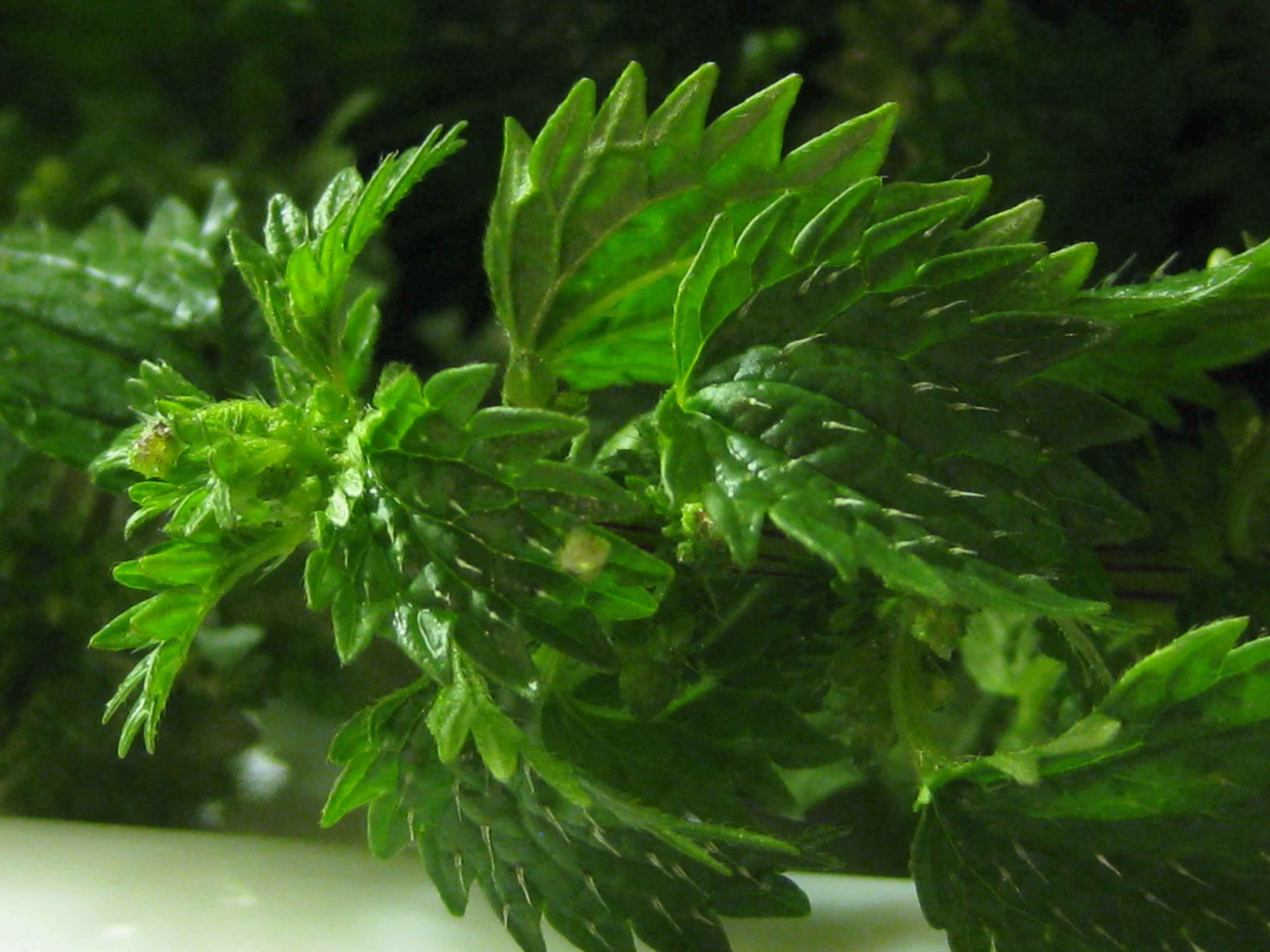
Fresh Stinging Nettles

The prickly bastards are so painful that while Steve was cleaning them one of the stingers got him on a finger tip and it hurt like a huck-a-buck for several hours. I decided not to handle them, but can only imagine the pain.

Last night while I was working, Steve did a bit more research on the herb (weed, vegetable?) and discovered it is actually good for you. As it turns out, they’re full of vitamin K and a host of antioxidants. What’s more, they’re 40% protein, more than just about any herbaceous edible around. The species is ubiquitous and has been used as food for centuries. Northern Europeans have been making soups and teas from the leaves and in Italy, they’re ground into pesto with walnuts or used as a filling in stuffed pastas. In England, they’re used to flavor cheese. In Native American cultures, nettles are powerful medicine.

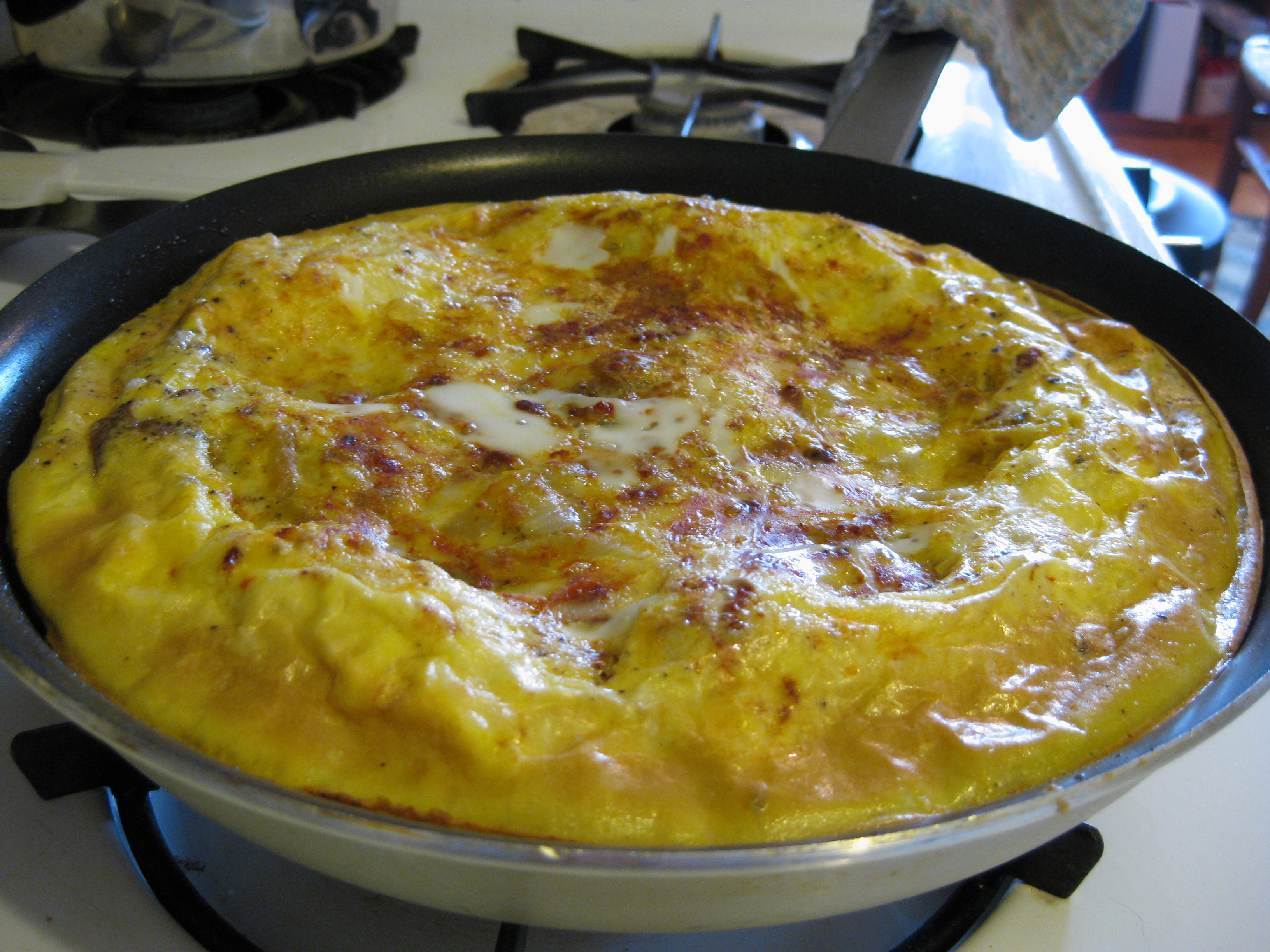
This morning Steve made a great frittata with the stinging nettles. They added a beautiful, green color in contrast with the earthy colors of potato, caramelized onion and golden egg. If you can’t find the prickly things you can also substitute spinach or any leafy greens for them with great results. Just make sure you use heavy plastic gloves when handling and we recommend not rubbing them anywhere on your body.

Cheers, Jason

Nettle Frittata Recipe

8 eggs, scrambled

4 small to medium new red potatoes

1 onion, sliced into half-rounds

1 cup grated Swiss cheese

2 tbsp. extra virgin olive oil

1 tbsp. unsalted butter

1/2 tsp. turmeric

1/2 tsp. smoked paprika

2 bay leaves

Salt and pepper to taste

Preheat oven to 425 degrees.

Place potatoes, skins on, in a medium saucepan and fill with enough water to cover potatoes by a couple of inches. Add 1 bay leaf and 1/4 tsp. salt to water. Bring to boil, lower heat and simmer until potatoes are tender, approximately 15 minutes. Remove from heat and cool in cold water. Slice potatoes into 1/4-inch thick rounds.

Heat large non-stick skillet over medium high heat and add olive oil. When oil begins to shimmer, add onions and 1 bay leaf, lower heat to medium and sauté onions slowly until they begin to caramelize. Be sure not to let them get too dark too quickly or they’ll lose their sweetness. Once cooked, remove onions from pan and set aside.

While potatoes are boiling and onions are sautéing, clean nettles and remove large stems (be sure to use thick rubber gloves). Blanch nettles in boiling water for approximately 4 minutes to soften and eliminate the stinging quills. Drain and set aside.

Add butter to skillet and heat to melt. Scatter blanched nettles over bottom of pan evenly. Place potato slices in an even layer on top of nettles. Scatter caramelized onions in an even layer over potatoes, sprinkle with paprika, turmeric, salt and pepper. Add grated Swiss cheese in an even layer. Pour beaten eggs over cheese, onions and potatoes and bring pan up to heat. Once the edges begin to bubble, remove from stovetop and place pan in oven, cover and cook on middle rack for approximately 15 minutes. Remove lid and cook for an additional 2 – 4 minutes or until center is set. Remove from oven and let sit for 2 minutes off heat.

Hot Out of the Oven!

To serve, remove frittata from pan by placing a plate over pan and then inverting frittata onto the plate. Slice into wedges and plate with a dollop of sour cream or crème fraiche, a sprinkle of cayenne and a pinch of gray sea salt.